Repair or Rebuild?
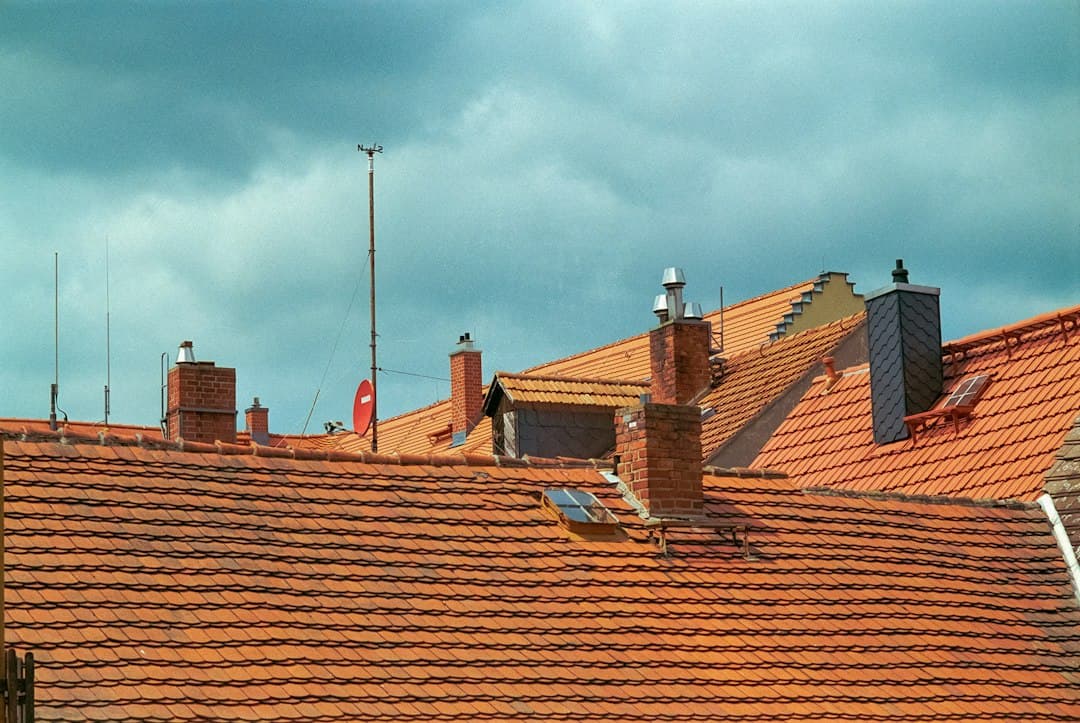
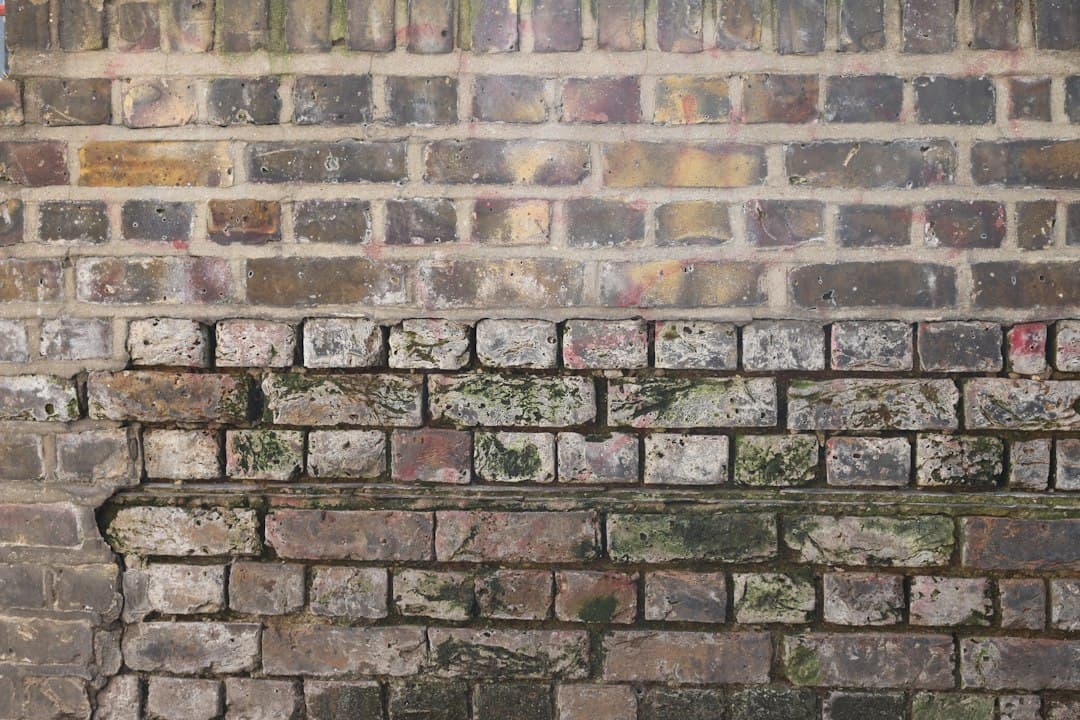
A chimney can be repaired while the structure is sound. Repointing joints, replacing a few spalled bricks, rebuilding a crown and resetting flashing are all repairs, and in most South Bay cities they count as maintenance with no permit needed.
The line gets crossed in a few recognizable ways:
- - Brick is loose through the full thickness of the wall, not just at the surface.
- The chimney leans, or has pulled away from the house.
- A crack runs through the chimney rather than across its face, often a horizontal break near the roofline after a quake.
- The top courses and crown have broken apart.
- The chimney was built without a proper footing and is settling.
When any of these shows up, the damaged section comes down and gets rebuilt. In Torrance, most of the rebuilds we scope are partial, from a few courses below the roofline up, because that is where weather and seismic shaking do the most damage.
Why a Rebuild Must Meet Today's Code
A rebuild is new construction. That one fact drives everything else. The chimney you have was built to whatever code applied when the house went up, often the 1950s. The section we rebuild has to meet the code in force now. Three sets of rules matter most.
Height: the 3-2-10 rule
The top of the chimney has to clear its roof penetration by 3 feet or more. It also has to stand 2 feet above anything on the house within a 10-foot reach. Plenty of original chimneys fall short, especially when a second story or a raised roofline was added later. A rebuild has to fix that, which sometimes means building the new section taller than the old one.
Reinforcement and anchorage
All of coastal Los Angeles County sits in a high seismic design category. For masonry chimneys in those zones, the code calls for vertical steel reinforcing bars running up through the masonry, horizontal ties at set intervals and steel straps anchoring the chimney to the floor and roof framing. Original postwar chimneys almost never have any of this. It is the main reason they cracked in the 1994 Northridge earthquake, and the main structural difference between an old chimney and a rebuilt one.
Liner and clearances
The rebuilt section needs a flue liner sized for the appliance it will serve, the correct gap or insulation between the liner and the masonry, and clearance from the outside of the chimney to combustible framing, usually 2 inches inside the house. If you are planning a gas insert or a new stove, size the flue for it during the rebuild. Doing it now costs less than relining later.
How the Permit Works
Building departments differ in what they ask for, so we confirm with yours. The usual steps for a rebuild look like this.
- - Scope and drawings. For a partial rebuild, a written scope with a simple drawing showing height, reinforcement and anchorage is often enough. A full rebuild may need more detail.
- Permit issued. The city reviews the scope and issues the permit, sometimes over the counter for straightforward jobs.
- Inspections during work. Some departments want to see the steel before it is grouted, or the anchorage before it is covered.
- Final inspection. The inspector checks the finished chimney and signs off.
We handle those steps for you. The written scope says what the city is likely to want, how the inspections fit into the schedule and what each adds to the timeline.
What Decides Your Price
Rebuilds are quoted in writing after an inspection, never from a phone call, because the price depends on facts nobody can see from the ground. These are the ones that matter most.
- - How far down the damage goes. A rebuild from just below the roofline is very different from one that starts at the firebox.
- Height. A chimney that has to grow to meet the 3-2-10 rule needs more material and more scaffold time.
- Number of flues. Each flue needs its own liner.
- Brick. Matching old brick with salvage takes more time than using new brick.
- Roof type. Tile roofs take more care to work around than shingle roofs.
- What else is planned, such as an insert that changes the liner size.
A Level 2 inspection with the video scan, $410, usually comes first. It shows how far the damage runs inside the flue, which sets how much of the chimney comes down. If you already have photos of the damage, send them and your address through the quote form and we will tell you whether a Level 2 is the right first step or whether we should come straight out to scope the rebuild.
Taking It Down Instead
Some owners, after a quake-damaged chimney, decide they do not want a masonry chimney at all. Options include removing the chimney above the roof and capping it, or taking it down entirely and replacing it with a framed chase and a factory-built chimney system for a gas or wood appliance. Each path has its own permit and its own rules. A factory-built system follows its listing, and the framed chase must meet the clearances in the manual. We lay out each option with its permit path and price so you can compare.
What You Keep at the End
When a rebuild is done, you should have three things: the permit with its final sign-off, the written scope with any changes made along the way, and photos of the work at each stage, including the steel before it was covered. That is the record a buyer's agent or an insurer will ask for later, and it is the proof that the chimney now meets the rules it was built to.
Start With a Look
If your chimney is cracked, leaning or dropping bricks, keep the fireplace out of use and call Meadowbrook Chimney Care at (424) 677-4478. We will tell you whether it is a repair or a rebuild and what the city will want to see.
Want the Rule Checked on Your Own Chimney?
Meadowbrook picks the NFPA 211 level from your house's history, writes the source next to every finding and closes out any permit. We work from West Carson for homes in Torrance, Lomita, Long Beach, Gardena and the peninsula.